

Introduction: The Pillars of Civilized Order
At the heart of any functioning democracy or constitutional state lies an institution both revered and, at times, misunderstood—the court. These halls of justice do more than merely resolve disputes; they uphold the rule of law, safeguard individual rights, and ensure that society does not descend into the chaos of unchecked power. To grasp the significance of courts is to understand the delicate balance that sustains civic life and civil liberties alike.
A Brief Historical Backdrop: From Monarchs to Modernity
The concept of courts predates modern nation-states by millennia. Ancient civilizations, from Mesopotamia to Greece and Rome, recognized the need for impartial adjudicators to settle conflicts. The idea evolved alongside human civilization, with early kings acting as both sovereign and supreme judge. In medieval England, the Magna Carta of 1215 laid the groundwork for courts independent of absolute monarchy, enshrining the principle that no one, not even the king, was above the law.
Fast forward to today, and courts in democratic societies stand as bulwarks against tyranny, upholding constitutions, statutes, and the fundamental promise of equal justice.
The Structure of Modern Courts: Layers of Jurisdiction
While every country shapes its judiciary according to its history and constitution, modern courts generally follow a tiered system.
Key components typically include:
-
Trial Courts: Often the first port of call for legal disputes, these courts hear civil and criminal cases, examine evidence, and render verdicts. Judges—or sometimes juries—determine the facts and apply relevant laws.
-
Appellate Courts: Parties dissatisfied with a trial outcome can appeal to higher courts, which review whether the law was applied correctly, without necessarily retrying facts.
-
Supreme or Constitutional Courts: These highest courts resolve issues of constitutional interpretation, ensuring that laws and government actions comply with a nation’s foundational charter.
In some systems, specialized courts exist for areas such as tax, family law, or administrative disputes, ensuring that judges with relevant expertise handle complex, niche matters.
The Courtroom: A Stage for Justice
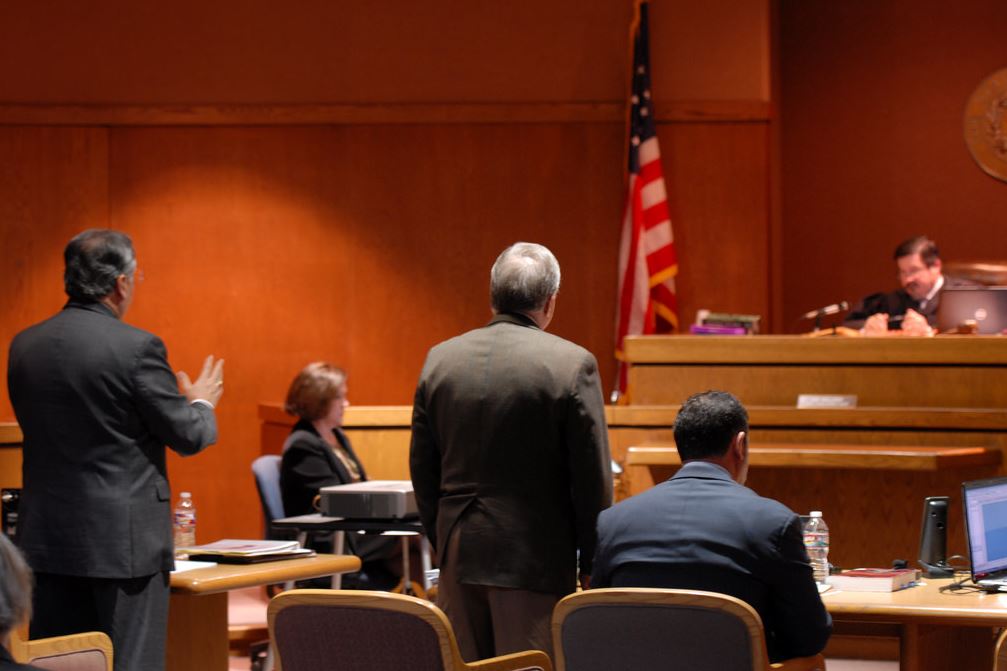
The courtroom itself is more than a physical space—it is a stage where the drama of justice unfolds daily. Its very design, with the judge’s bench elevated above litigants, symbolizes the impartiality and authority of the law.
Key figures within this arena include:
-
Judges: Impartial arbiters tasked with ensuring that proceedings adhere to the law and that all parties receive a fair hearing.
-
Attorneys: Advocates who represent plaintiffs, defendants, or the state, shaping arguments, questioning witnesses, and interpreting the law in service of their clients.
-
Jury (where applicable): A panel of ordinary citizens who determine the facts of the case and render verdicts in certain criminal and civil matters.
-
Court Clerks and Bailiffs: Administrative staff and officers who manage records, maintain decorum, and ensure security.
Together, these participants embody the principle that justice must not only be done but be seen to be done.
The Court’s Role in Society: More Than Dispute Resolution
While the resolution of conflicts is a vital function, courts hold a far broader mandate that touches every facet of civic life.
Core societal functions include:
-
Upholding Constitutional Rights: Courts often stand as the final line of defense for civil liberties, from freedom of speech to the right to due process.
-
Interpreting the Law: Laws can be ambiguous or outdated; courts interpret them in light of contemporary circumstances, ensuring legal relevance.
-
Checking Government Power: Judicial review allows courts to strike down laws or executive actions that violate constitutional principles.
-
Promoting Social Change: Landmark rulings have advanced civil rights, environmental protections, and equality before the law. Cases like Brown v. Board of Education in the U.S. or India’s decriminalization of Section 377 show courts as engines of progress.
The Human Element: Courts and Everyday Lives
For most people, interaction with the court is infrequent yet deeply consequential. Whether resolving a property dispute, finalizing a divorce, seeking protection from domestic violence, or defending against criminal charges, individuals turn to the court for more than rulings—they seek validation, closure, and often, a path to move forward.
The gravity of this responsibility demands that judges and court officers embody integrity, impartiality, and unwavering dedication to justice.
Common Misconceptions About Courts
Despite their pivotal role, courts are often clouded by misconceptions.
Some prevalent myths include:
-
Courts Always Mean Trials: In reality, most disputes are settled through negotiation, mediation, or plea bargains long before trial.
-
Judges Decide Alone: While some cases are bench trials, many involve juries who play a critical fact-finding role.
-
The Process is Swift: Due process can be painstakingly slow, ensuring fairness but often testing patience.
Such misunderstandings highlight the need for broader public education on how the judiciary functions.
Challenges Facing Modern Courts
Today’s courts face mounting challenges that threaten their efficiency and credibility.
Key issues include:
-
Case Backlogs: Many jurisdictions grapple with overwhelming caseloads that delay justice.
-
Access to Justice: Legal representation remains unaffordable for millions, rendering courts inaccessible to the vulnerable.
-
Political Pressures: In some regions, political interference undermines judicial independence.
-
Technological Adaptation: Courts must balance tradition with innovation, incorporating virtual hearings and digital filings without compromising fairness.
Addressing these concerns demands investment, reform, and an unwavering commitment to the rule of law.
The Future of Courts: Tradition Meets Technology
In recent years, the COVID-19 pandemic accelerated the adoption of virtual hearings and electronic filings. While some fear technology may erode the solemnity of proceedings, others see opportunity.
Potential benefits include:
-
Faster case processing.
-
Broader access for people in remote areas.
-
Reduced costs for litigants.
Yet, technological progress must be carefully integrated to protect procedural fairness and ensure that the courtroom’s human essence—reasoned judgment, open debate, and transparency—endures.
Conclusion: The Enduring Promise of the Court
Courts, at their best, are sanctuaries of reason where the powerless can challenge the powerful, where facts and laws triumph over prejudice and force. They are not infallible, but they remain one of humanity’s noblest inventions—an institution that tempers conflict with justice, transforms grievances into resolution, and affirms the promise that no one is above the law.
In an age of polarization, misinformation, and rapid change, the court’s enduring mission is more vital than ever. It is, and must remain, the place where truth matters, reason prevails, and the quiet dignity of the law stands guard over the rights and freedoms we hold dear.