

Introduction: More Than Marble Halls and Robes
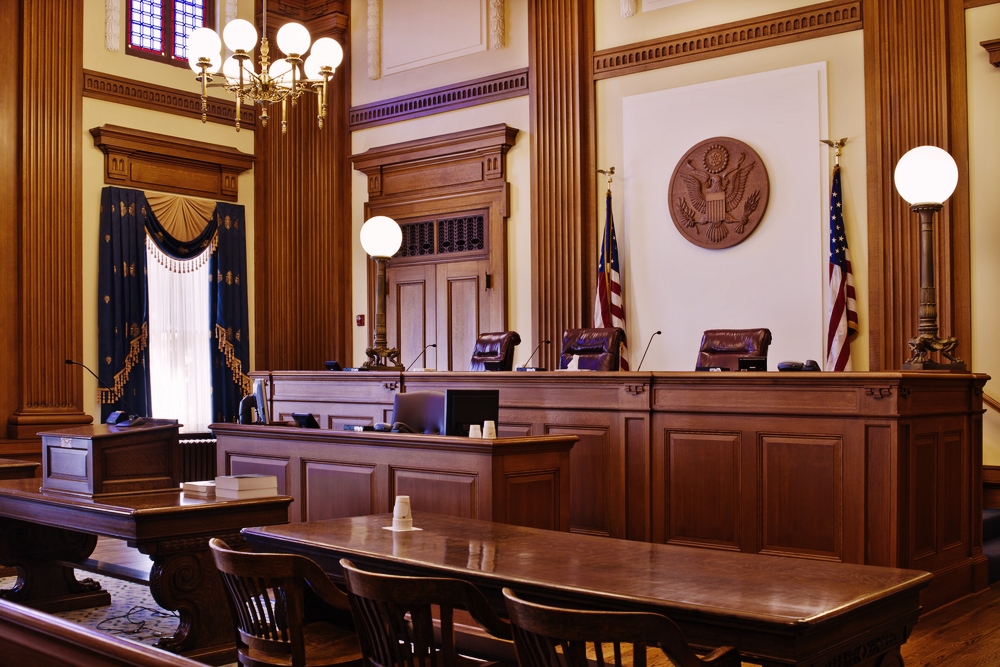
When most people hear the word court, they envision solemn judges, polished benches, and whispered exchanges between attorneys. Yet the court is far more than a chamber of wooden pews and dramatic verdicts. It is the living embodiment of a society’s collective commitment to resolve conflict, enforce laws fairly, and protect rights that might otherwise be trampled under the weight of power or prejudice. Without courts, the law would be but ink on paper—voiceless and powerless to protect.
The Origin of Courts: From Ancient Tribunals to Modern Forums
The practice of resolving disputes before a neutral authority is as old as civilization itself. Ancient Egyptians, Greeks, and Romans developed intricate systems of courts, some of which laid the foundation for modern legal traditions. In medieval England, the emergence of common law courts established legal precedents still cited today. These early systems recognized that justice cannot rest solely in the hands of rulers. It must be distributed impartially through institutions that stand apart from politics, fear, or favoritism.
Today’s courts carry forward this legacy. They are places where ancient principles are applied to modern disputes, whether about digital privacy, human rights, or corporate accountability.
The Structure of a Court System: A Layered Guardian
Modern court systems typically operate in tiers to ensure both fairness and checks on human error.
1. Lower or Trial Courts
-
Hear cases first-hand, examining facts and evidence.
-
Include criminal courts, civil courts, family courts, and small claims courts.
-
Often the most visible to the public, as they handle divorces, traffic tickets, and local disputes.
2. Appellate Courts
-
Review decisions made by lower courts when a party believes an error occurred.
-
Focus on the application of law rather than re-examining facts.
-
Provide an essential layer of oversight to maintain consistent legal standards.
3. Supreme or Constitutional Courts
-
The highest legal authority within a nation’s judiciary.
-
Resolve constitutional questions, interpret laws, and sometimes strike down legislation that conflicts with constitutional principles.
-
Their judgments often shape national debates and policies for generations.
This structure ensures that no single judge or court holds unchecked power over the fate of a person or an issue.
Inside the Courtroom: A Stage for Truth and Reason
A courtroom is more than a setting for legal ritual; it is a carefully structured environment designed to promote truth, fairness, and order. Every role in this arena serves a purpose:
-
Judge: The impartial arbiter who ensures proceedings follow the law and that both sides are heard.
-
Attorneys: Skilled advocates who present arguments, question witnesses, and safeguard their client’s rights.
-
Jury (where applicable): A group of citizens tasked with determining the facts in a case.
-
Witnesses: Individuals whose testimony sheds light on disputed facts.
-
Clerks and Bailiffs: Unsung heroes who maintain records, manage evidence, and ensure security.
Together, they transform abstract laws into living justice, deciding matters that shape livelihoods, families, and freedoms.
The Many Faces of Justice: Different Courts for Different Needs
Not all courts look the same, nor do they serve identical purposes.
Examples of specialized courts include:
-
Family Courts: Resolve delicate issues like custody, adoption, and child support.
-
Juvenile Courts: Focus on rehabilitation rather than punishment for minors.
-
Administrative Courts: Handle disputes involving government agencies and regulatory decisions.
-
International Courts: Such as the International Court of Justice, which settles conflicts between states and interprets international law.
Specialization allows courts to apply nuanced knowledge to complex or sensitive areas of law.
The Court’s Role in Society: A Shield and a Sword
Courts protect individuals from injustice while holding them accountable for wrongdoing. They enforce contracts, punish crime, and provide a peaceful forum for settling disagreements that might otherwise escalate into violence or vigilantism.
Beyond resolving disputes, courts:
-
Interpret laws that may be vague or outdated.
-
Check the actions of the executive and legislative branches through judicial review.
-
Shape public policy through landmark rulings on issues such as civil rights, privacy, or environmental protections.
When courts strike down discriminatory laws, safeguard free speech, or protect the rights of minorities, they demonstrate their unique power to advance human dignity and equality.
Common Misunderstandings: Demystifying the Court
Many myths surround courts, fueled by dramatized portrayals in films and television.
Popular misconceptions include:
-
Every case goes to trial: In truth, most cases settle before reaching a judge or jury.
-
Justice is always swift: In reality, due process demands time, and courts often face heavy backlogs.
-
Judges are all-powerful: Judges are bound by constitutions, precedents, and statutes; they cannot simply rule by whim.
Understanding these truths helps demystify the process and encourages citizens to view courts as accessible allies rather than intimidating fortresses.
Modern Challenges: Upholding Justice in a Changing World
Courts face immense challenges in the twenty-first century.
-
Caseload Pressure: Many courts are inundated, leading to long delays and strained resources.
-
Access to Justice: For many, legal representation remains unaffordable, creating a gap between rights on paper and rights in practice.
-
Technological Disruption: Courts must adapt to digital evidence, cybercrimes, and virtual hearings without compromising fairness.
-
Public Trust: In some regions, political interference threatens the independence that makes courts credible.
Addressing these challenges requires vigilance, reform, and investment to ensure that courts remain robust and trusted institutions.
Courts in the Digital Era: Innovation and Caution
Recent years have seen the rapid adoption of technology in courtrooms worldwide. Virtual hearings, electronic filings, and online dispute resolution platforms are becoming common.
Potential benefits include:
-
Increased accessibility for remote communities.
-
Cost savings for litigants and courts.
-
Faster resolution of simple cases.
However, this evolution must be tempered with care to protect the essential qualities of open hearings, due process, and human judgment that no software can replace.
Conclusion: The Court as a Beacon of Civilization
A society’s courts reveal much about its values. They stand at the intersection of law and life—where principles of fairness are tested against the messiness of human reality. While judges, clerks, and lawyers may change with each generation, the institution of the court endures as a promise: that reason can prevail over force, that the powerless can challenge the powerful, and that no one is beyond the reach of justice.
In an age of rapid change and rising polarization, courts remain one of humanity’s noblest inventions—an enduring symbol that a civilized society is defined not by the strength of its rulers but by the fairness of its laws and the integrity of those entrusted to interpret them.